Transforming Farming with Drone Technology Insights

The agricultural landscape is undergoing a significant transformation, driven by the integration of advanced technologies. Among these, drone technology stands out as a powerful tool that is reshaping how farmers manage their crops, monitor their fields, and optimize their yields. This blog post explores the various ways in which drone technology is revolutionizing farming practices, providing insights into its applications, benefits, and future potential.
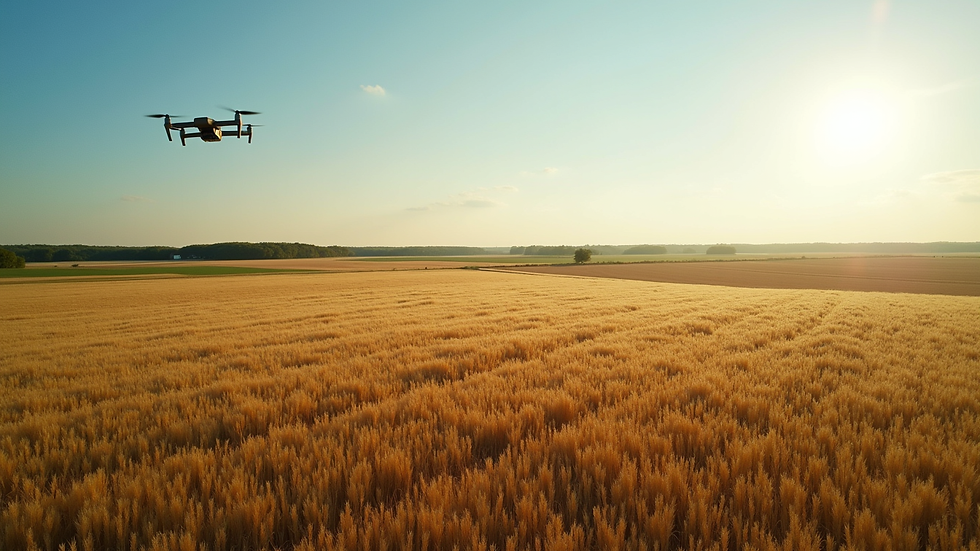
Understanding Drone Technology in Agriculture
Drones, also known as unmanned aerial vehicles (UAVs), are equipped with cameras and sensors that allow them to collect data from the air. In agriculture, these devices are used for a variety of purposes, including:
Crop Monitoring: Drones can capture high-resolution images of crops, enabling farmers to assess plant health and detect issues early.
Field Mapping: They can create detailed maps of fields, helping farmers understand the layout and variability of their land.
Precision Agriculture: Drones facilitate targeted applications of fertilizers and pesticides, reducing waste and minimizing environmental impact.
The Benefits of Using Drones in Farming
The adoption of drone technology in agriculture offers numerous advantages:
Increased Efficiency: Drones can cover large areas in a fraction of the time it would take traditional methods. This efficiency allows farmers to focus on other critical tasks.
Cost Savings: By enabling precision agriculture, drones help reduce the amount of inputs needed, leading to significant cost savings over time.
Improved Crop Health: Early detection of issues such as pests, diseases, or nutrient deficiencies allows farmers to take corrective actions promptly, improving overall crop health and yield.
Data-Driven Decisions: Drones provide farmers with valuable data that can inform their decision-making processes, leading to better management practices.
Real-World Applications of Drones in Agriculture
Several farmers and agricultural companies have successfully integrated drone technology into their operations. Here are a few notable examples:
Case Study: Vineyard Management
A vineyard in California implemented drone technology to monitor grape health. By using multispectral imaging, the vineyard manager was able to identify areas of the field that were under stress due to water shortages. This allowed for targeted irrigation, resulting in healthier grapes and a higher quality wine.
Case Study: Crop Health Assessment
A corn farmer in Iowa utilized drones to assess crop health across his 500-acre farm. The drone captured images that revealed variations in plant health, which were then correlated with soil moisture levels. This information enabled the farmer to adjust his irrigation practices, ultimately leading to a 15% increase in yield.
Case Study: Precision Fertilization
A large-scale soybean farm in Brazil adopted drone technology for precision fertilization. By mapping nutrient levels across the fields, the farm was able to apply fertilizers only where needed, reducing costs and minimizing environmental impact. This approach not only improved crop yields but also enhanced sustainability.
Challenges and Considerations
While drone technology offers many benefits, there are also challenges that farmers must consider:
Regulatory Compliance: Farmers must adhere to regulations governing drone use, which can vary by region. Understanding these regulations is crucial to avoid fines and ensure safe operation.
Initial Investment: The cost of purchasing and maintaining drones can be significant. Farmers need to weigh the potential return on investment against these costs.
Technical Expertise: Operating drones and analyzing the data they collect requires a certain level of technical knowledge. Farmers may need training or support to effectively utilize this technology.
The Future of Drone Technology in Agriculture
As technology continues to evolve, the future of drone use in agriculture looks promising. Innovations such as artificial intelligence (AI) and machine learning are expected to enhance the capabilities of drones, making them even more effective tools for farmers. Here are some potential developments to watch for:
Autonomous Drones: Future drones may operate autonomously, requiring minimal human intervention. This could further increase efficiency and reduce labor costs.
Enhanced Data Analytics: As data analytics tools improve, farmers will be able to gain deeper insights from the data collected by drones, leading to more informed decision-making.
Integration with Other Technologies: Drones may be integrated with other agricultural technologies, such as IoT devices and satellite imagery, creating a comprehensive farming ecosystem.
Conclusion
Drone technology is transforming the agricultural sector, offering farmers innovative solutions to enhance productivity and sustainability. By embracing this technology, farmers can improve crop health, reduce costs, and make data-driven decisions that lead to better outcomes. As the technology continues to advance, the potential for drones in agriculture will only grow, paving the way for a more efficient and sustainable future in farming.
The integration of drone technology into farming practices is not just a trend; it is a necessary evolution in how we approach agriculture. Farmers who adopt these tools will be better equipped to face the challenges of modern farming and ensure food security for future generations.


Comments