Enhancing Crop Efficiency with Precision Agriculture Drones

The agricultural industry is undergoing a significant transformation, driven by technological advancements that promise to enhance productivity and sustainability. One of the most exciting developments in this field is the use of precision agriculture drones. These unmanned aerial vehicles (UAVs) are revolutionizing how farmers monitor and manage their crops, leading to improved efficiency and reduced costs. In this blog post, we will explore how precision agriculture drones are enhancing crop efficiency, the technology behind them, and practical examples of their application in the field.

Understanding Precision Agriculture Drones
What Are Precision Agriculture Drones?
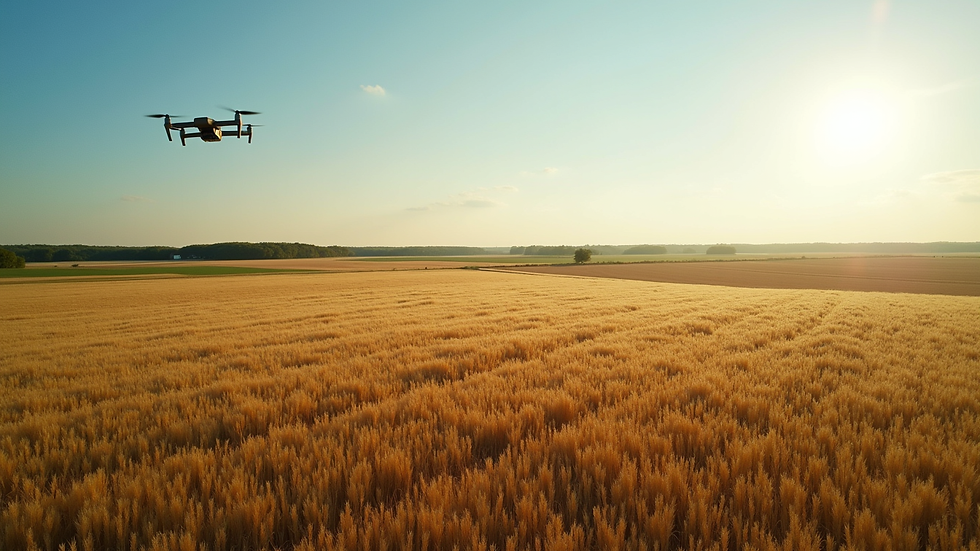
Precision agriculture drones are specialized UAVs equipped with advanced sensors and imaging technology. They are designed to collect data on crop health, soil conditions, and environmental factors. By providing real-time insights, these drones enable farmers to make informed decisions that can significantly enhance crop yields.
Key Features of Precision Agriculture Drones
High-Resolution Imaging: Drones can capture high-resolution images of fields, allowing farmers to identify issues such as pest infestations, nutrient deficiencies, and water stress.
Multispectral and Hyperspectral Sensors: These sensors can detect wavelengths beyond the visible spectrum, providing insights into plant health that are not visible to the naked eye.
GPS Technology: Drones use GPS for precise mapping and navigation, ensuring accurate data collection and analysis.
Automated Flight Paths: Many drones can be programmed to follow specific flight paths, allowing for efficient coverage of large areas.
Benefits of Using Drones in Agriculture
Improved Crop Monitoring
One of the primary benefits of precision agriculture drones is their ability to monitor crops more effectively than traditional methods. Drones can cover large areas quickly, providing farmers with detailed information about crop health. This allows for early detection of problems, enabling timely interventions that can prevent crop loss.
Enhanced Data Collection
Drones collect vast amounts of data that can be analyzed to gain insights into crop performance. This data can include information on soil moisture levels, plant health, and growth patterns. By analyzing this data, farmers can make data-driven decisions that improve crop management practices.
Cost-Effectiveness
While the initial investment in drone technology may seem high, the long-term savings can be substantial. By using drones for monitoring and data collection, farmers can reduce labor costs and minimize the use of fertilizers and pesticides. This not only saves money but also promotes more sustainable farming practices.
Precision Application of Inputs
Drones can be used for targeted application of fertilizers and pesticides. Instead of applying these inputs uniformly across a field, drones can deliver them precisely where they are needed. This reduces waste and minimizes the environmental impact of agricultural practices.
Real-World Applications of Precision Agriculture Drones
Case Study: Vineyard Management
In the wine industry, precision agriculture drones have become invaluable tools for vineyard management. For example, a vineyard in California utilized drones equipped with multispectral cameras to monitor vine health. The data collected allowed the vineyard manager to identify areas that required additional irrigation and nutrients, resulting in a 20% increase in grape yield.
Case Study: Crop Health Assessment
A corn farmer in Iowa implemented drone technology to assess crop health across his 500-acre farm. By flying drones over his fields, he was able to identify areas suffering from nutrient deficiencies. With this information, he adjusted his fertilization strategy, leading to a 15% increase in overall yield.
Case Study: Precision Irrigation
A large-scale vegetable farm in Florida adopted drones for precision irrigation management. By using thermal imaging, the farm was able to identify areas of the field that were over or under-watered. This led to a more efficient irrigation system, reducing water usage by 30% while maintaining optimal crop health.
Challenges and Considerations
Regulatory Compliance
While the benefits of precision agriculture drones are clear, farmers must navigate regulatory requirements. In many countries, drone operations are subject to strict regulations regarding flight altitude, airspace restrictions, and pilot certification. Understanding and complying with these regulations is crucial for successful drone implementation.
Initial Investment
The cost of purchasing and maintaining drones can be a barrier for some farmers. However, as technology advances and prices decrease, more farmers are finding ways to incorporate drones into their operations. Additionally, many companies offer drone services, allowing farmers to access this technology without a significant upfront investment.
Data Management
The vast amount of data collected by drones can be overwhelming. Farmers need to invest in data management systems that can analyze and interpret this information effectively. This may require additional training or hiring specialists to ensure that the data is used to its full potential.
The Future of Precision Agriculture Drones
Advancements in Technology
As technology continues to evolve, we can expect to see even more sophisticated features in precision agriculture drones. Innovations such as artificial intelligence and machine learning will enhance data analysis capabilities, allowing for more accurate predictions and recommendations.
Integration with Other Technologies
The future of precision agriculture will likely see greater integration between drones and other technologies, such as IoT devices and satellite imagery. This holistic approach will provide farmers with a comprehensive view of their operations, enabling them to make even more informed decisions.
Increased Adoption
As awareness of the benefits of precision agriculture drones grows, more farmers are likely to adopt this technology. Educational programs and workshops can help farmers understand how to implement drones effectively, leading to widespread adoption across the agricultural sector.
Conclusion
Precision agriculture drones are transforming the way farmers manage their crops, offering numerous benefits that enhance efficiency and sustainability. By providing real-time data and insights, these drones enable farmers to make informed decisions that lead to improved crop yields and reduced costs. As technology continues to advance, the potential for precision agriculture drones will only grow, making them an essential tool for the future of farming.
Farmers looking to enhance their operations should consider exploring the possibilities that precision agriculture drones offer. With the right approach, these tools can lead to significant improvements in crop management and overall farm productivity.

Comments